Offloaded inference for real-world physical AI robotics
Robots are getting smarter, but how can their hardware match that growth? New Microsoft Research findings show that moving AI inference beyond the robot can improve task success, boost efficiency, and support more advanced physical AI workloads. The post Offloaded inference for real world physical AI robotics…
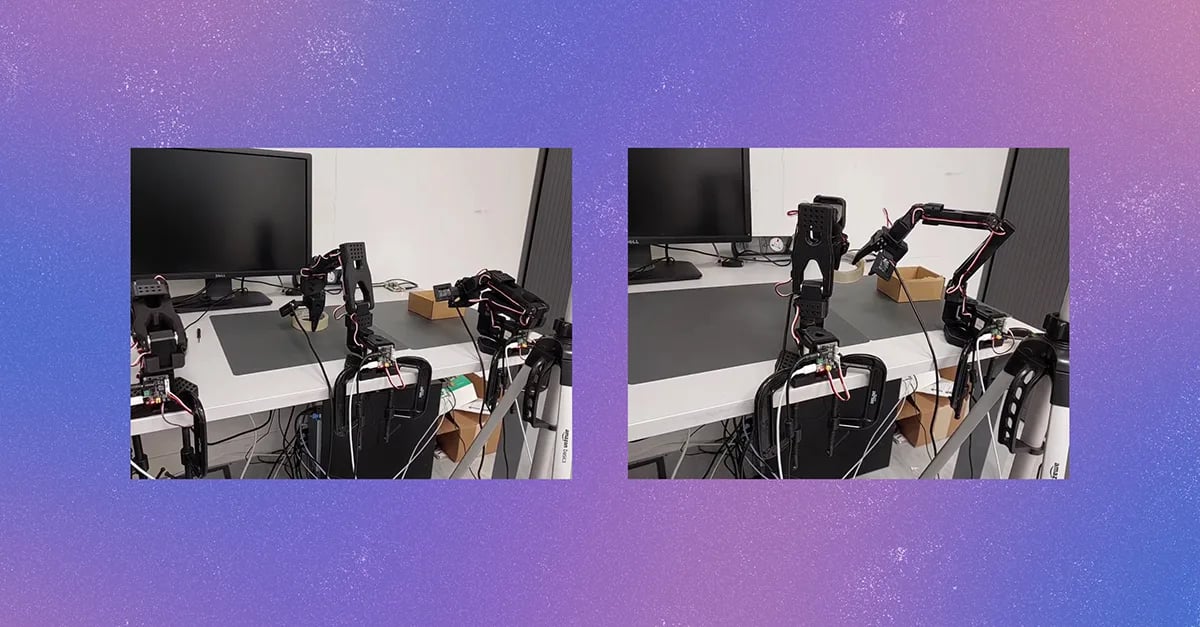
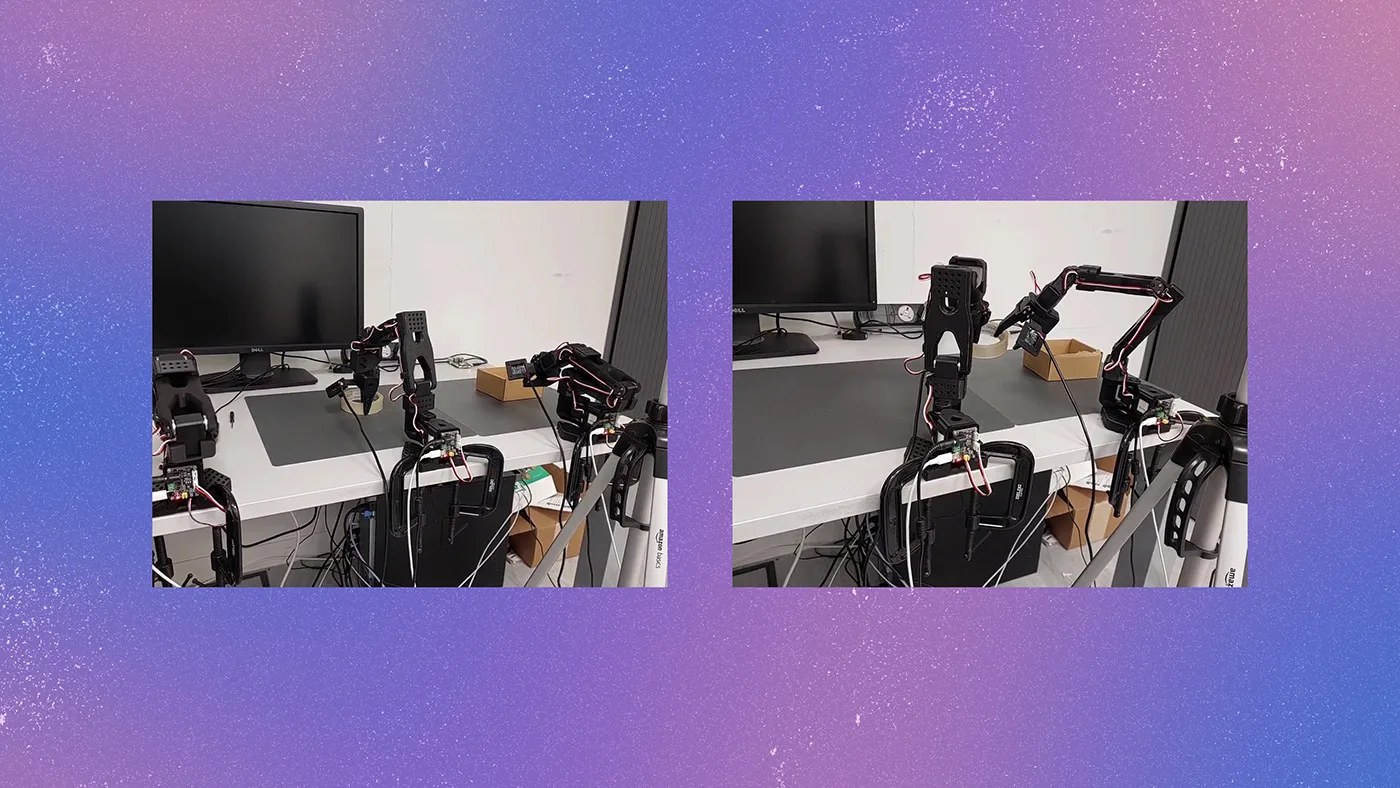
At a glance
- Challenges a core assumption in robotics AI: Our research shows that running physical AI inference exclusively on onboard GPUs can limit robot performance, battery life, and scalability, and that offloading inference to edge or cloud GPUs can offer significant advantages.
- Demonstrates measurable benefits of inference offloading: Across representative mobile manipulation workloads, offloading improved task success rates, enabled larger AI models, and helped robots respond more effectively in dynamic, real-world environments.
- Extends robot operating time: Replacing power-hungry onboard AI compute with lightweight onboard hardware and remote inference can substantially improve battery life, enabling robots to operate longer between charges.
- Introduces a new capability in the Physical AI Toolchain: Developers can now containerize, deploy, and orchestrate robotics AI workloads across robots, edge infrastructure, and the cloud using Kubernetes-based tooling for distributed inference.
Readily-available physical AI, with robotics assisting users in manufacturing, home, and warehouses scenarios, holds immense potential to improve safety, productivity, and assistance across a wide range of tasks. In many ways, AI for the physical world represents a major frontier for AI . Physical AI must operate in open, unpredictable environments, interact with both other robots and people, and work with a diversity of embodiments. Realizing this vision requires advances along three dimensions: robot hardware, embodied AI models, and systems infrastructure for training and inference. While robot hardware and the AI models have advanced rapidly in recent years, we turn our focus on a relatively under-addressed aspect: inference infrastructure of physical AI. Enabling robots to effectively and safely operate in the physical world will require sophisticated systems to handle large volumes of distributed inference compute.
Keep reading Microsoft Research with Pro
This source is part of the Pro library. Unlock every premium source, AI translation and custom feeds.
Originally published on
Microsoft Research
Keep reading