Solving a 31-year-old grand challenge in mathematics – the KLS conjecture
For decades, a fundamental question about the difficulty of computing in high dimensional spaces has resisted proof. New research resolves this question, removing a major theoretical obstacle to understanding the efficiency of randomized algorithms used across science and computing. The Kannan–Lovász–Simonovits (KLS)…
Microsoft researcher and collaborator combine new mathematical ideas with human-directed AI to resolve a central problem in high-dimensional geometry and probability
At a glance
- Fundamental scientific breakthrough: Researchers resolved the Kannan-Lovász-Simonovits (KLS) conjecture, a 31-year-old problem widely regarded as one of the central open questions in high-dimensional geometry, with implications for statistics, optimization, algorithms, and computer science.
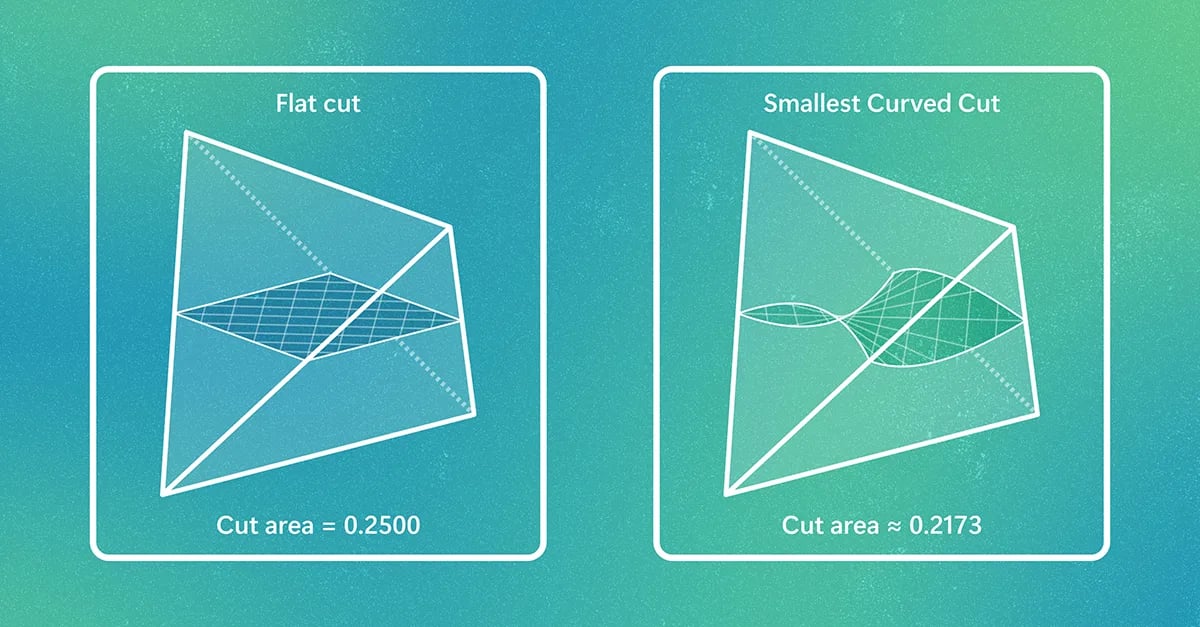
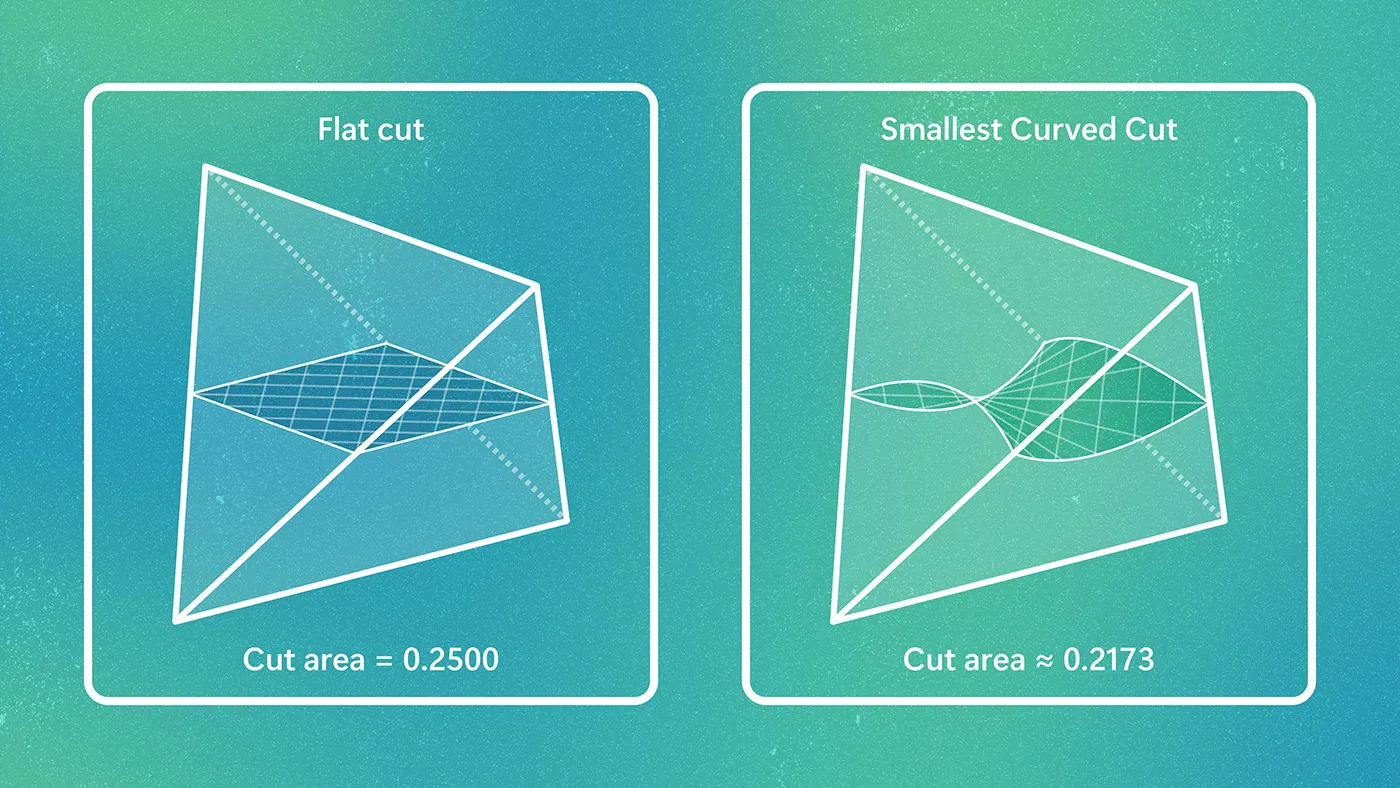
- A universal geometric principle: The result establishes a universal geometric principle for log-concave distributions, showing that simple flat cuts can capture their narrowest bottlenecks within a fixed factor, regardless of dimension.
- Human-AI collaboration: The breakthrough emerged from a human-directed agentic research process in which AI systems explored mathematical possibilities while researchers evaluated, pruned, and redirected the search.
- Independent confirmation: Multiple independent researchers have validated this research, identifying its central criterion as the key breakthrough, followed by a machine-checked formal verification.
Keep reading Microsoft Research with Pro
This source is part of the Pro library. Unlock every premium source, AI translation and custom feeds.
Originally published on
Microsoft Research