From JSON Strings to Typed Columns
JSON often arrives as a text column inside a table, not as a file. In this post, we infer a schema from such a column, adjust it, and turn the column into typed columns, without first writing the data to a file.
We put NVIDIA's new Vera CPU through its paces using the full TPC H workload on scale factor 1,000.
An Iceberg table is a tree of JSON, Avro and Parquet files. DuckDB can read every one of them, so you can walk the tree yourself with SQL: from the metadata file, through the manifest list and manifests, down to the data files and delete files.
The DuckDB v2.0 CLI has an agent mode that gets AI coding agents to a correct result faster and with fewer tokens. When the CLI detects an agent, it prints compact Markdown tables instead of padded boxes, says clearly when a result was cut, stops runaway queries early, and reports errors as JSON. Long queries…
A DuckDB database file does not have to hold any data. It can store nothing but view definitions that point at Parquet files on object storage, so a few hundred kilobytes behave like a shared catalog over a whole data lake. This post shows how to build one, host it, and attach it read only.
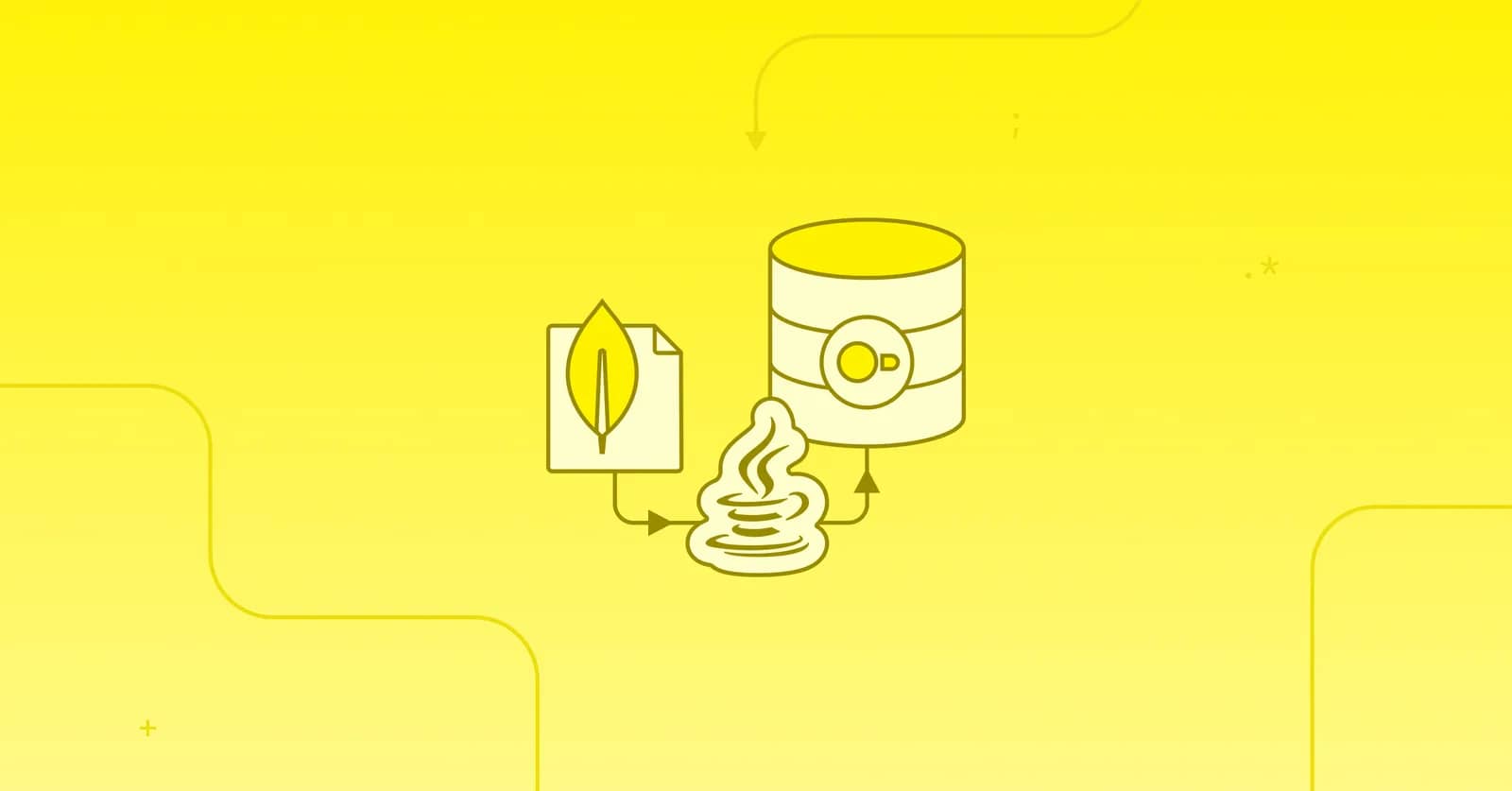
When the analytics screen running on our main operational database got too slow, we moved a year of data into DuckDB on the same server. Getting the data in was the hard part. This is the story of every method we tried, and why a table function written in pure Java is the one we shipped.
When a query groups on long, repeated strings, move the strings into a small dimension table with sorted, narrow integer keys. Aggregate on the keys, then join the strings back in at the very end. The query works as before, though on small fixed width integers instead of variable length text.
TypeSafe AI released Jev, a model that returns typed answers instead of text, on September 15, 2026. Within ten days, several community extensions let you filter, classify and score DuckDB rows with plain English conditions. This post covers what Jev is, how the extensions work and the posts and videos about them.
Today we are releasing DuckDB 1.5.6 with bugfixes and performance improvements.
Hugging Face hosts hundreds of thousands of datasets, and DuckDB can read them directly, exactly where they are and without downloading anything, over the DuckDB protocol. This post looks at how the integration works and the scenarios where it works best.
dbt v2, which runs on the new Rust based Fusion engine, is the first dbt release that ships with a built in DuckDB adapter. This post covers setup, DuckLake and Iceberg catalogs, querying dbt's Parquet metadata with DuckDB, plus other v2 features that matter to DuckDB users, including migrating to dbt v2.
DuckDB Wasm can open a persistent database file in the browser's Origin Private File System (OPFS). This post shows how, and when data reaches disk.